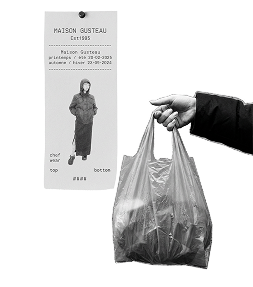
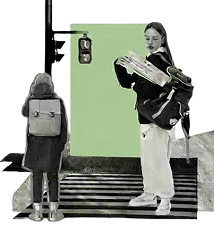
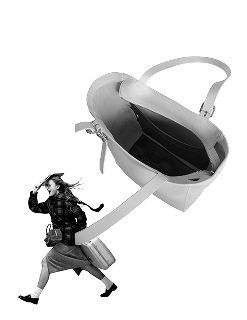
Touch is our earliest way of understanding the world, yet as adults it becomes restricted. What remains close to us are the objects we carry. Bags quietly archive habits, anxieties, and comfort—revealing emotional relationships hidden in everyday actions.
- Reflection over efficiency
- Ambiguity over clarity
- Coexistence over comparison
carry at least one uncommon or unexpected item
carry 15+ items in their bag on a normal day
of who is in a relationship carry at least 1 item related to their partner
Interviews revealed that objects are often carried for emotional reassurance rather than use. This led to an emotion-based taxonomy that reads belongings as relationships—comfort, intention, identity, and inner life—inviting reflection instead of evaluation.
What makes us feel anchored, safe, or emotional grounding in unfamiliar or shifting environments.
Sample items: medicine, lip balm, hand cream, tissues, snacks, small personal accessories.
What helps us navigate daily tasks and goals, maintaining focus, efficiency, and a sense of control.
Sample items: laptop, charger, notebook, planner, headphones, power bank.
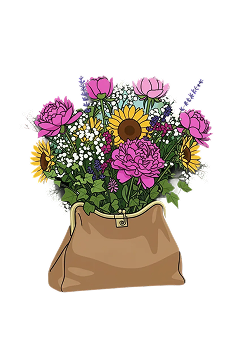
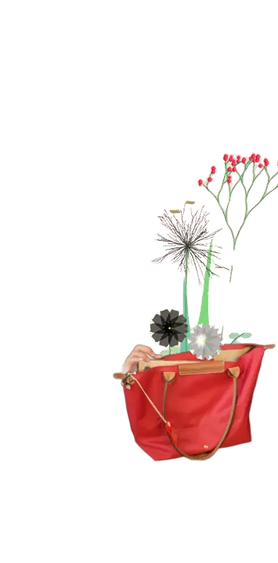
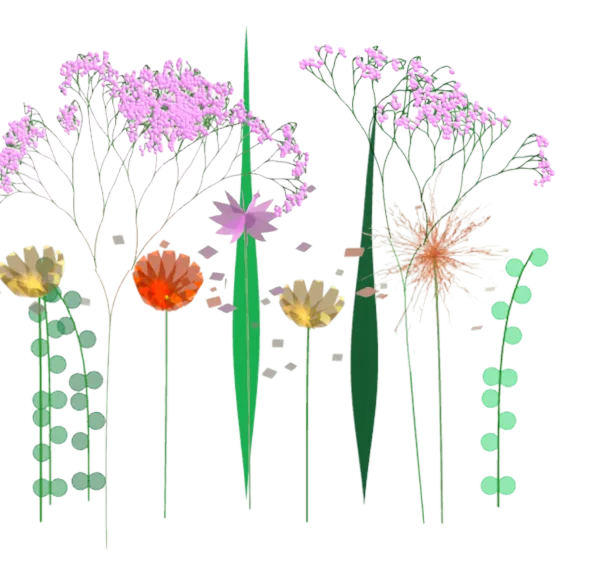
Flowers allow emotional variation without hierarchy. Each object becomes a flower, expressing its relationship rather than its function. Multiple flowers gather into a bouquet, mirroring how objects coexist inside a bag—different, personal, and unranked. As bouquets accumulate, they form a garden: a shared space shaped by presence, not comparison.
What chosen to communicate identity, taste, or mood, often serving as visible markers of how one wishes
to be seen.
Sample items: keychain accessories, stickers, fashion accessories, uniquely designed objects.
What we keep private, meaningful, or sacred, carrying personal meaning that may not be shared or
explained.
Sample items: handwritten notes, old receipts, photos, charms, letters, sentimental tokens.
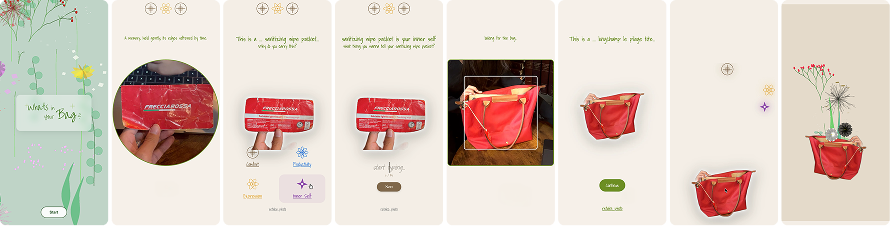
- Object is captured
- Message is written
- Object becomes a flower
- Flowers gather into a bouquet
- Bouquets accumulate into a shared garden
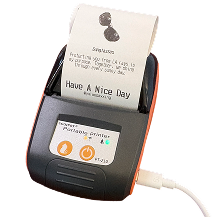
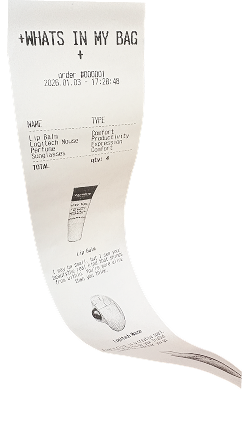
- Objects reply in print receipt
A Garden I Carry is an interactive experience that explores the emotional relationships people form with the objects they carry every day. By inviting participants to select an item from their bag, write a short message to it, and receive a printed response, the project reframes everyday belongings as relational presences rather than functional tools. Each object is translated into a generative flower, flowers gather into personal bouquets, and bouquets collectively form a shared garden. Through this process, the work shifts attention from utility to feeling, creating a reflective space where private habits, memory, and care quietly surface through interaction.
The interaction takes the form of a quiet conversation. Users write a brief message to an object they carry, and the object responds in print—shifting everyday belongings from tools into gentle companions.
A Garden
that I Carry
Timeframe
Oct-nov 2025
Type
Solo Project
- Emotional Interaction Design
- Generative Visuals
- Vibe Coding
case Study
MORE INFORMATION (DEVELOPMENT, RESEARCH...)
SEE CASE STUDY
FEEL FREE TO TRY IN PLAYGROUND
email: xing.yolanda@gmail.com
all content © forever yolanda xing